More LNG tankers find their way to Hormuz
AI Summary
LNG tankers have resumed transit through the Strait of Hormuz, signaling a cautious return of commercial shipping despite ongoing Middle East hostilities. Japan-linked vessels have significantly reduced their presence in the Gulf, while QatarEnergy and GasLog-operated LNG carriers are now moving through this critical energy corridor under close security monitoring.
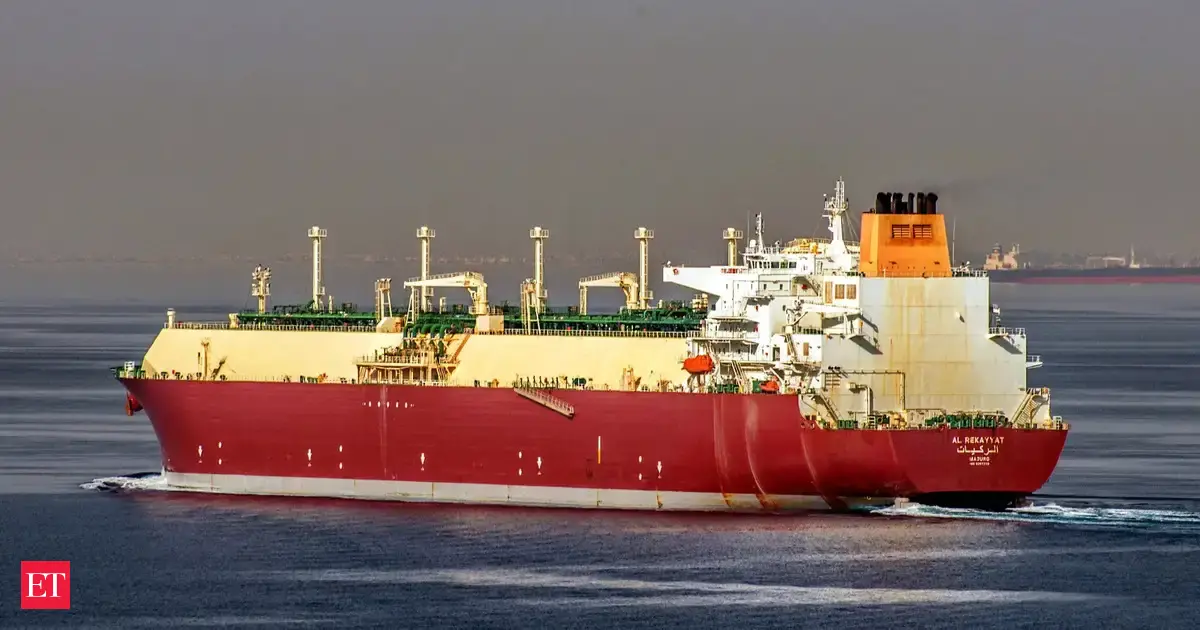
More liquefied natural gas (LNG) tankers have resumed transiting the Strait of Hormuz in recent days, signalling a cautious return of commercial shipping through one of the world's most critical energy corridors despite renewed hostilities in the Middle East.Ship-tracking data from Kpler and LSEG showed that at least five ballast LNG carriers have entered the strategically vital waterway in recent days after traffic slowed following Iranian attacks on commercial vessels and subsequent U.S. retaliatory strikes on Iran.Also read: Hormuz & Iran war can slow India down but not hold it backAmong the vessels resuming transit are GasLog Shanghai, operated by Greek shipping company GasLog, and four QatarEnergy-linked carriers — Al Samriya, Al Dafna, Al Gattara and Al Rayyan.The data indicated that GasLog Shanghai and Al Rayyan likely entered the Strait overnight after being spotted outside the waterway on July 9. The remaining three QatarEnergy-linked vessels had previously been tracked off India's west coast, with Al Samriya and Al Gattara last seen around June 18-19 and Al Dafna on June 29.QatarEnergy and GasLog did not immediately respond to requests for comment outside business hours.Japan-linked fleet shrinks in GulfSeparately, Japan's transport ministry said 22 Japan-linked vessels, including six very large crude carriers, passed through the Strait of Hormuz and exited the Gulf between July 7 and July 9, reducing the country's shipping presence in the region."Only four vessels" linked to Japan now remain in the Gulf, Transport Minister Yasushi Kaneko told a news conference on Friday.A transport ministry official declined to explain the safety measures adopted for the vessels, citing security concerns.Also read: India's crude imports remain resilient despite Strait of Hormuz tensionsAccording to the Japanese Shipowners' Association, the number of Japan-linked ships operating in the Gulf has fallen sharply from 45 vessels carrying around 1,100 crew members at the start of the conflict to just four vessels with roughly 100 crew members.The Strait of Hormuz remains under close scrutiny by governments and shipping companies as regional tensions continue to threaten global oil and LNG supply routes. The gradual return of LNG carriers suggests operators are cautiously restoring movements through the passage while closely monitoring the evolving security situation.(With inputs from Reuters)